August 21, 2026
Maintaining asphalt surfaces represents a vital responsibility for residential homeowners and commercial property managers alike. Over time, continuous exposure to harsh sunlight, heavy rainfall, fluctuating temperatures, automotive fluids, and severe environmental stress weakens pavement structures, leading to surface degradation, unsightly discoloration, and structural cracking. Implementing proactive preventative maintenance strategies preserves pavement integrity, enhances curb appeal, and extends the operational lifespan of driveways and parking lots. Among these maintenance strategies, sealcoating stands out as a fundamental practice for shielding asphalt from premature deterioration. According to the U.S. Bureau of Labor Statistics, there were approximately 47,000 paving, surfacing, and tamping equipment operators employed in the U.S. in 2024. As skilled surface specialists continue safeguarding infrastructure nationwide, property owners recognize that proper surface preparation, quality material selection, and precise application techniques determine long-term pavement performance. Understanding the fundamental principles behind asphalt preservation enables property owners to make informed decisions, protecting their physical investments and ensuring smooth, durable driveways for many years.
Inspect Surface Conditions and Repair Damage
Before applying protective surface treatments, performing a thorough pavement inspection remains essential for achieving optimal adhesion and structural longevity. Applying protective emulsion over compromised asphalt merely disguises underlying defects without resolving structural weaknesses. Property owners must identify all surface cracks, oil stains, depressions, and crumbling areas prior to starting treatment. Deep structural cracks permit moisture penetration, which undermines base layers and accelerates freeze-thaw damage during winter months. Specialized hot-pour crack sealants should be utilized to fill linear fractures, creating a flexible, watertight barrier that prevents further water infiltration. Additionally, petroleum spills, motor oil drips, and gasoline stains chemically degrade asphalt binders, causing soft spots that prevent proper coating adhesion. Cleaning these saturated areas with dedicated degreasers or applying specialized oil spot primers neutralizes chemical contaminants, ensuring seamless surface bonding. Addressing foundational damage beforehand guarantees that subsequent sealcoating layers bond effectively, providing robust protection across every square yard of pavement. Furthermore, establishing a clean, smooth, and well-repaired surface before applying any liquid coating guarantees that the protective barrier bonds directly with structural asphalt rather than loose debris, preventing future peeling or moisture accumulation.
Clean Pavement Surfaces and Remove Debris
Achieving a durable bond between asphalt surfaces and protective liquid emulsion requires meticulous surface cleaning. Dust, accumulated dirt, gravel particles, fallen leaves, and vegetative growth create physical barriers that prevent deep emulsion penetration, leading to premature flaking, peeling, and uneven wear patterns. Beginning the cleaning process involves sweeping heavy debris using stiff-bristled broom brushes or commercial power sweepers. Following manual sweeping, high-powered air blowers effectively dislodge embedded dirt from deep pavement pores, hairline cracks, and outer perimeter edges. For heavily soiled driveways or commercial parking areas, high-pressure washing removes stubborn mud deposits and caked-on grime. However, when utilizing water pressure, adequate drying time becomes imperative.
Applying protective liquid emulsions over damp or saturated pavement traps moisture beneath the surface, weakening adhesive bonds and causing blister formation. Professional contractors ensure that cleaned pavement dries completely under warm sunlight before beginning any professional sealcoating project. Thorough surface preparation remains the foundational step that distinguishes short-lived touch-ups from long-lasting pavement protection. Investing necessary effort into complete cleanliness eliminates invisible surface films, ensuring that every square foot of asphalt bonds seamlessly with protective materials.
Monitor Weather Forecasts and Environmental Conditions
Ambient weather conditions significantly dictate the application success, curing rate, and overall durability of protective pavement emulsions. Ideal environmental parameters demand warm ambient temperatures, clear skies, low relative humidity, and gentle breezes. Surface and air temperatures must remain well above freezing throughout the application and initial curing phases. Cold temperatures hinder liquid emulsion polymers from fusing properly, resulting in powdery, brittle surfaces that wash away during rainstorms. Conversely, excessive summer heat causes liquid coatings to dry too rapidly upon contact with hot asphalt, preventing proper surface penetration and creating unsightly streak marks. Furthermore, unexpected rainfall represents a major hazard during application and early curing stages. Rain showers wash away wet liquid emulsion, creating environmental hazards and damaging adjacent property. Property owners should verify clear weather forecasts, avoiding sealcoating procedures whenever precipitation threatens within the surrounding timeframe. Selecting optimal weather windows ensures even liquid spreading, rapid chemical curing, and maximum protective strength. Planning according to local meteorological patterns prevents unexpected weather delays, safeguarding your investment and maximizing material performance.
Select High-Grade Emulsions and Proper Additives
The quality of selected liquid coating materials directly influences how well driveways resist daily traffic wear, ultraviolet radiation, and chemical exposure. Commercial sealcoating products primarily fall into refined tar emulsions, asphalt emulsions, or modern acrylic formulations, each presenting distinct performance traits. Asphalt emulsions remain widely favored due to their environmentally friendly composition, minimal odor emissions, and rich black color restoration. To enhance material strength, professional applicators frequently incorporate specialized additives, silica sand, or polymer modifiers into liquid mixtures. Adding fine silica sand improves surface traction, reducing slipperiness during wet weather while filling micro-texture gaps across aged pavement. Polymer additives accelerate drying times, increase resistance to power steering scuffing, and bolster flexibility against thermal expansion. Diluting liquid concentrate with precise water ratios requires strict adherence to manufacturer specifications. Excessive water dilution thins the protective mixture, resulting in weak coverage and premature material erosion. Choosing premium materials ensures robust defense against environmental deterioration. Consulting experienced paving professionals helps property owners navigate product choices, selecting high-performance formulations specifically engineered for their regional climate and expected traffic conditions.
Apply Uniform Layers Using Precision Techniques
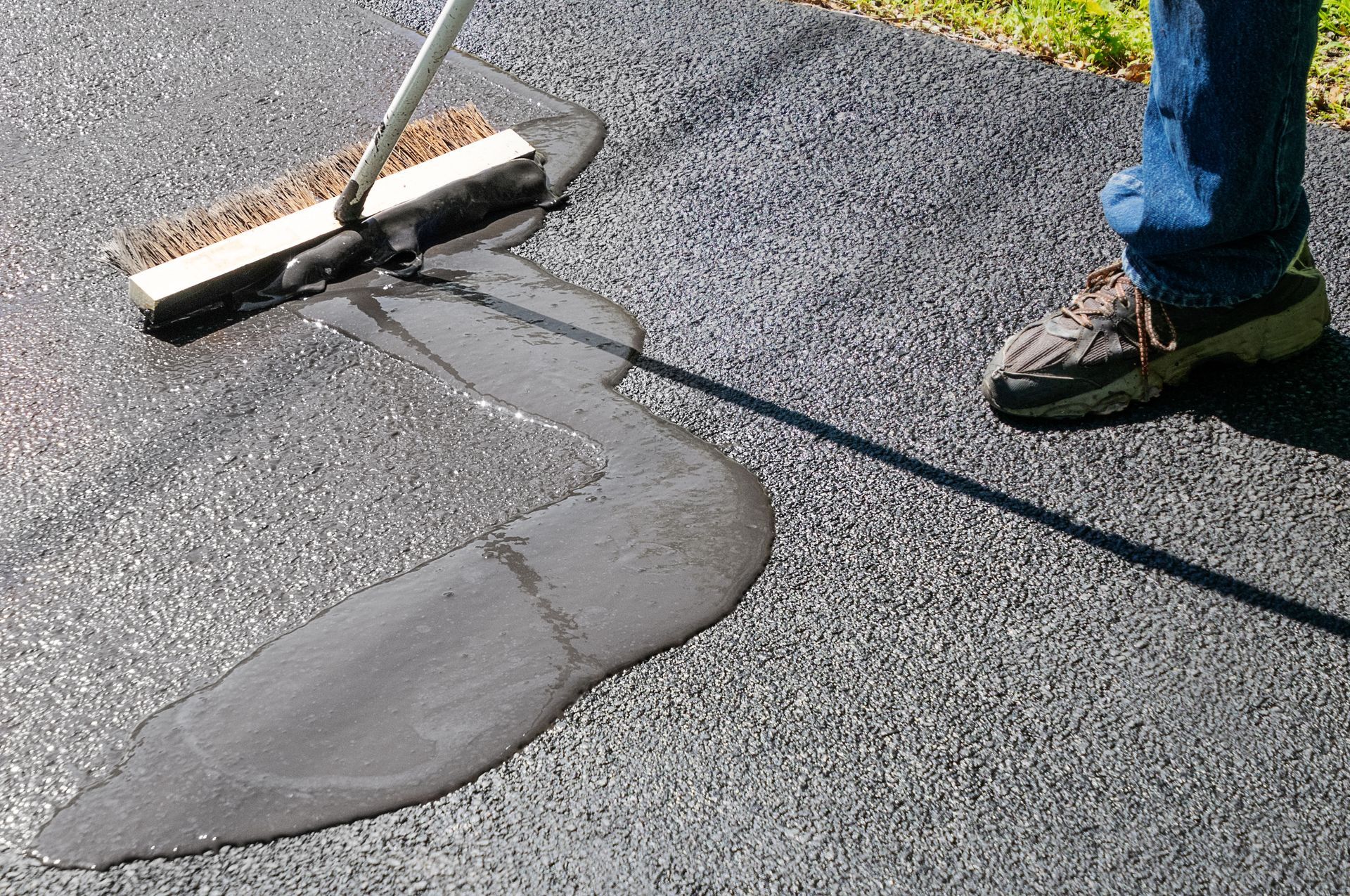
Executing precise application techniques ensures consistent coverage, aesthetic beauty, and balanced material thickness across the entire pavement layout. Applying protective liquid emulsions typically involves specialized squeegees, heavy-duty application brushes, or professional spray equipment depending on surface area and texture. Hand squeegee application excels on textured driveways, forcing liquid emulsion deep into open pores and filling small voids effectively. Conversely, spray application methods provide smooth, uniform coats across expansive commercial parking lots, minimizing application times while maintaining visual consistency. Professional application strategies frequently recommend applying dual thin coats rather than a single heavy layer. Single thick applications cure unevenly, developing surface crusts while remaining wet underneath, which leads to tracking and tearing under tire pressure.
Allow Ample Curing Time Before Resuming Traffic
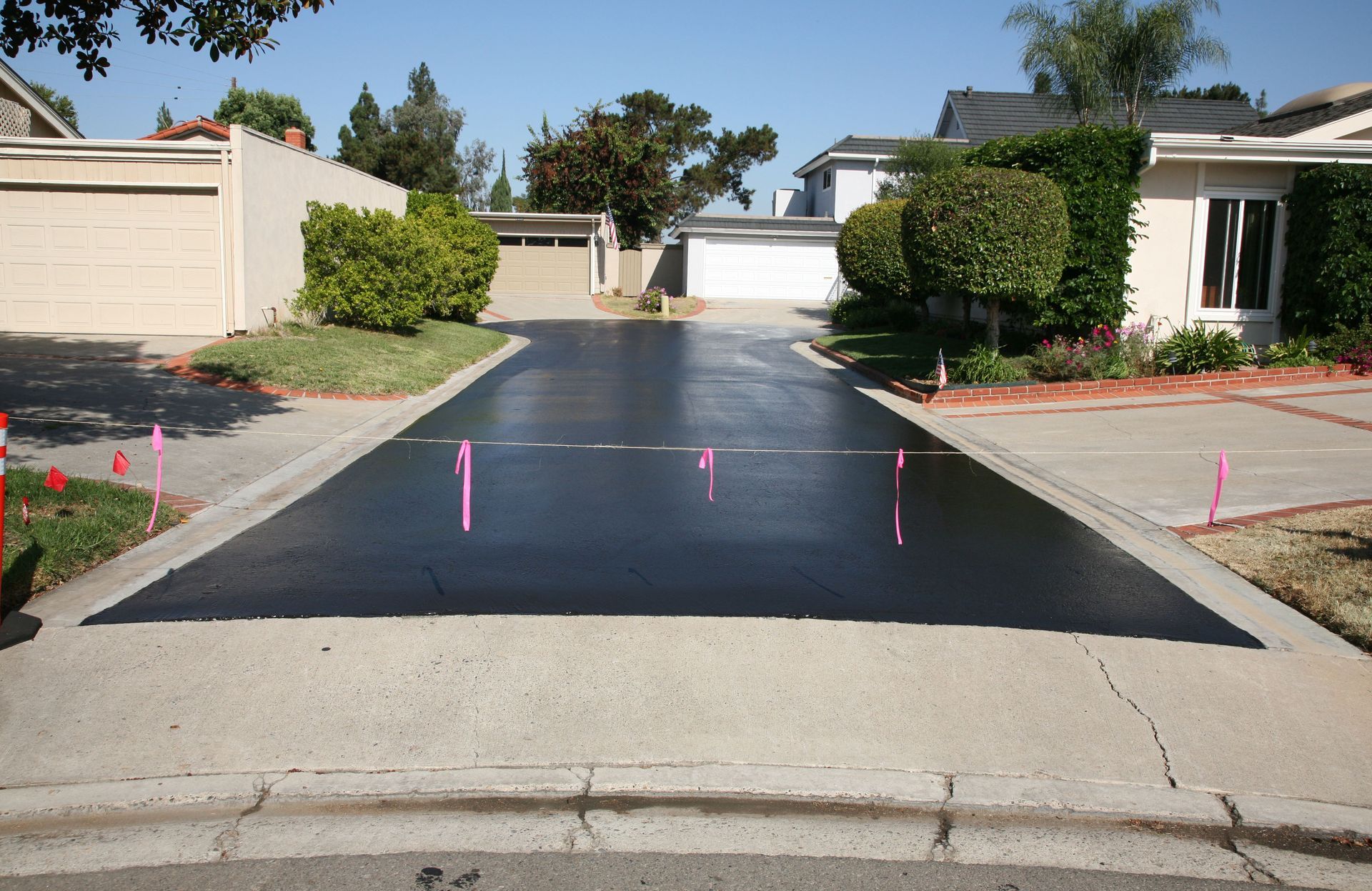
Patience during the final curing phase plays a critical role in determining the ultimate strength and appearance of freshly treated pavement. Curing involves the evaporation of water carriers from liquid emulsions, allowing solid particles and polymer chains to fuse into a continuous, impenetrable protective barrier. Walking across freshly treated surfaces prematurely leaves footprints and disturbs curing films, while driving vehicles over uncured asphalt causes deep tire marks, power steering scuffing, and material displacement. Ambient humidity, temperature, and sun exposure dictate actual drying timelines. Under warm, sunny conditions, surface drying occurs within several hours, yet total chemical curing demands extended, uninterrupted time. Property owners should erect visible barricades, caution tape, or temporary markers around perimeter borders to prevent accidental foot or vehicle access following complete sealcoating services. Granting sufficient curing time preserves smooth, deep black surface finishes and locks in long-term structural defense.
Proactive pavement maintenance remains an invaluable strategy for extending asphalt longevity, preventing costly structural repairs, and maintaining pristine property aesthetics. By understanding local weather patterns, executing meticulous surface cleaning, repairing structural defects, selecting premium materials, and allowing proper curing, property owners achieve exceptional long-term results. When you are ready to protect your residential driveway or commercial parking facilities with top-tier professional expertise, our dedicated team at Badgerland Sealing stands ready to deliver superior craftsmanship and lasting pavement solutions tailored to your needs. Contact us today to learn more.