January 5, 2026
Blacktop sealcoating plays a critical role in preserving asphalt surfaces for both residential and commercial properties. When property owners invest in blacktop sealcoating, they are taking proactive steps to protect pavement from weather exposure, traffic stress, and long-term deterioration. Throughout this article, blacktop sealcoating is examined as a preventative maintenance solution that improves durability, appearance, and long-term value. Understanding how blacktop sealcoating works helps decision-makers maintain paved surfaces responsibly and cost-effectively.
Understanding Blacktop Sealcoating
Definition of Sealcoating
Sealcoating is a maintenance process where a protective coating is applied to asphalt surfaces to shield them from harmful elements. In the context of blacktop sealcoating, this coating usually consists of a mixture of bituminous-based materials, water, and other additives like fillers and sealant. The primary aim is to create a barrier that protects the asphalt from ultraviolet (UV) rays, water, oil, and chemical spills. Over time, exposure to these elements can cause asphalt to deteriorate, leading to cracks, potholes, and a generally worn-down appearance. By applying blacktop sealcoating, property owners can preserve the integrity and aesthetics of their paved areas, thereby extending their service life considerably.
History of Asphalt Maintenance
The practice of maintaining asphalt surfaces is not a novel concept and has evolved significantly over the years. In ancient civilizations, road maintenance was rudimentary, relying heavily on manual labor and primitive tools. However, the industrial revolution brought about advancements in materials and techniques, including the use of bituminous compounds for road surfacing. Modern blacktop sealcoating gained prominence in the mid-20th century as asphalt began to replace concrete for more flexible highway construction. As methods improved, blacktop sealcoating became an integral part of long-term pavement care and property upkeep.
Components of Sealcoat Mixtures
Modern sealcoat mixtures used in blacktop sealcoating are carefully engineered to maximize protective performance. The typical composition includes a blend of asphalt emulsions, water, mineral fillers, and additives such as polymers. Each component serves a specific purpose, from improving flexibility to enhancing durability. The balance of these ingredients directly influences how effective blacktop sealcoating is across varying traffic loads and climate conditions.
How Sealcoating Works
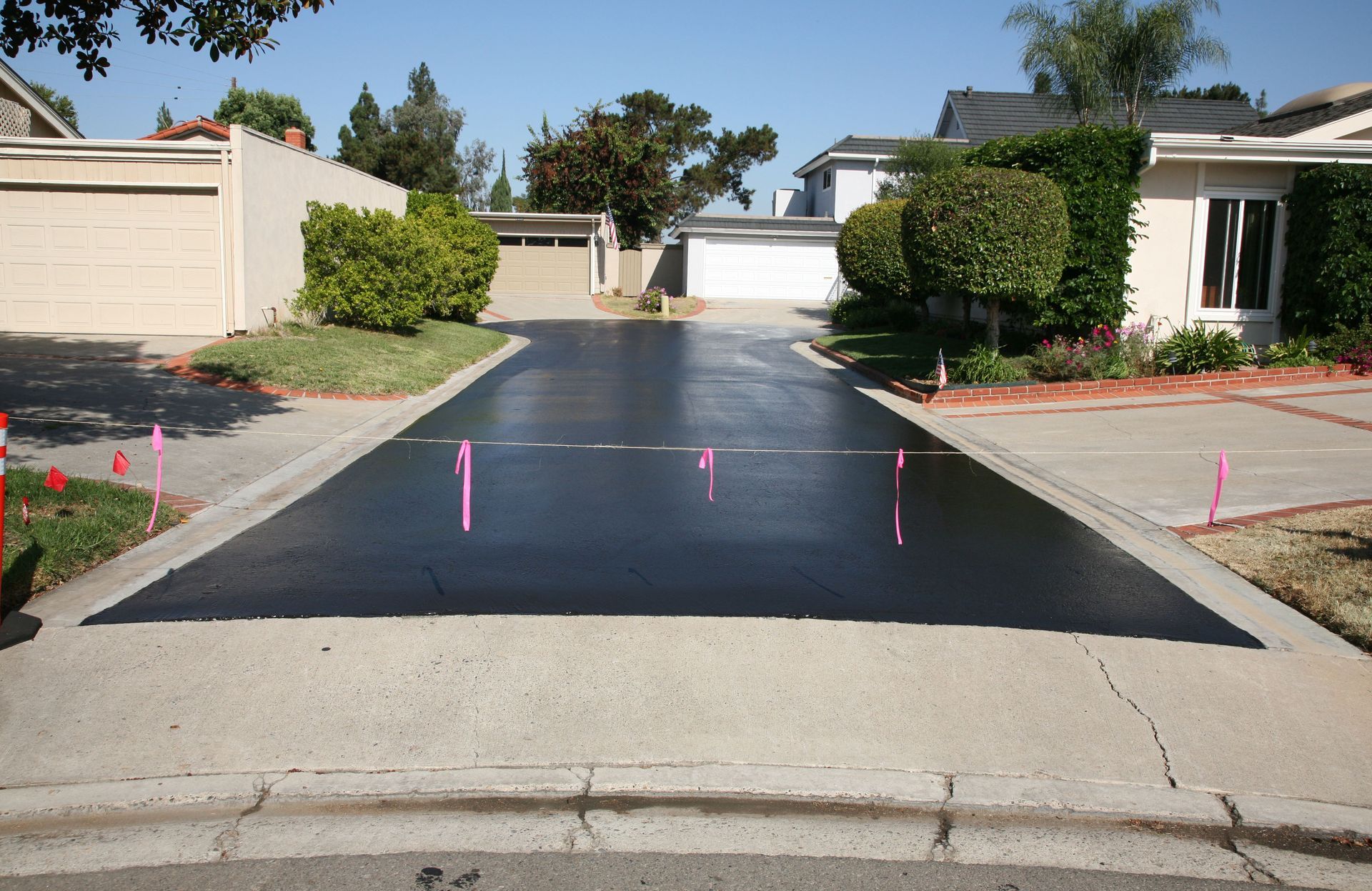
Blacktop sealcoating works by forming a thin, uniform barrier over the asphalt surface. This barrier repels moisture, resists chemical penetration, and blocks UV radiation that accelerates oxidation. By slowing oxidation, blacktop sealcoating helps asphalt retain flexibility and structural strength. The result is a surface that ages more slowly and remains functional longer, reducing the frequency of major repairs.
Ideal Conditions for Sealcoating
For blacktop sealcoating to perform properly, application conditions must be carefully managed. Temperatures above 50°F and dry weather allow the sealant to cure evenly and bond effectively. Wind, humidity, and timing all influence how well blacktop sealcoating adheres to the surface. Proper scheduling plays a key role in achieving long-lasting results.
Primary Benefits of Sealcoating
Prolonging Asphalt Lifespan
One of the most valuable advantages of blacktop sealcoating is its ability to extend the lifespan of asphalt surfaces. By shielding pavement from moisture, sunlight, and chemicals, blacktop sealcoating reduces structural stress and surface breakdown. According to Mordor Intelligence, approximately 43% of America's more than 4 million miles of public roadways are in poor or average condition, highlighting the urgent need for maintenance and rehabilitation. Preventative measures like blacktop sealcoating help slow this deterioration and reduce the burden of large-scale repairs.
Enhancing Aesthetics of Driveways and Parking Lots
Blacktop sealcoating significantly enhances curb appeal by restoring a deep, uniform black finish to aging pavement. This improved appearance reflects careful property maintenance and professionalism, which is especially important for commercial locations. Consistent blacktop sealcoating helps prevent the faded, patchy look associated with neglected asphalt.
Protection Against Environmental Damage
Environmental exposure is one of the primary causes of asphalt deterioration. Blacktop sealcoating provides a durable shield against water penetration, freeze-thaw cycles, oil leaks, and chemical spills. This added layer of defense helps maintain both the surface integrity and load-bearing performance of asphalt pavement.
Cost-Effectiveness
Although blacktop sealcoating requires an upfront investment, it offers substantial long-term savings. Routine applications reduce the likelihood of expensive resurfacing or full replacement. When compared to major asphalt repairs, blacktop sealcoating is a financially responsible maintenance strategy that preserves infrastructure value.
Reducing Maintenance Requirements
Surfaces treated with blacktop sealcoating are easier to clean and maintain. Dirt, debris, and moisture are less likely to penetrate sealed asphalt, which simplifies routine upkeep. This reduced maintenance demand is especially beneficial for large parking areas and high-traffic commercial properties.
Long-Term Performance Advantages of Sealcoating
Beyond immediate protection, blacktop sealcoating contributes to long-term pavement performance by stabilizing the asphalt binder. Over time, unprotected asphalt loses essential oils that keep it flexible, making the surface brittle and more prone to cracking under pressure. With routine blacktop sealcoating, this oxidation process slows considerably, allowing the pavement to maintain its elasticity even under frequent vehicle traffic. This is especially important for driveways, parking lots, and access roads that experience daily use.
Another long-term advantage of blacktop sealcoating is its ability to reduce surface abrasion. Tires, snowplows, and debris gradually wear down unsealed asphalt, exposing aggregate and weakening the surface layer. A sealed surface absorbs much of this wear, helping the underlying asphalt remain intact. Over time, this added protection translates into fewer structural failures and a more predictable maintenance schedule.
Crack Prevention and Early Damage Control
While blacktop sealcoating is not designed to repair existing structural cracks, it plays an important role in preventing minor surface flaws from worsening. Small surface cracks can quickly expand when exposed to moisture and temperature fluctuations. When blacktop sealcoating is applied after proper crack filling, it locks out water and debris that would otherwise accelerate damage. This layered approach to maintenance supports better long-term outcomes.
Routine inspections paired with blacktop sealcoating allow property owners to address pavement concerns early, before they escalate into costly repairs. This proactive strategy shifts asphalt care from reactive problem-solving to planned maintenance, which is both more efficient and more economical over time.
Impact on Property Value and Usability
Well-maintained pavement has a direct influence on how a property is perceived and used. Blacktop sealcoating improves traction, surface consistency, and visual uniformity, all of which contribute to safer and more accessible paved areas. For commercial properties, this can improve traffic flow, reduce liability concerns, and create a more professional appearance for customers and tenants.
Residential properties also benefit from blacktop sealcoating through improved curb appeal and functionality. A smooth, sealed driveway enhances the overall look of a home and signals responsible upkeep. Over time, these improvements can positively influence property value and reduce the likelihood of deferred maintenance becoming a larger issue.
Supporting Sustainable Infrastructure Practices
From a sustainability perspective, blacktop sealcoating supports responsible infrastructure management by extending the usable life of existing pavement. By delaying the need for full resurfacing or replacement, fewer raw materials are consumed, and less construction waste is generated. This makes blacktop sealcoating an environmentally conscious maintenance option when incorporated into a long-term pavement management plan.
Frequency and Timing of Sealcoating
Initial Sealcoating Recommendations
New asphalt typically benefits from blacktop sealcoating after a curing period of six to twelve months. This initial application establishes a protective foundation that supports long-term pavement performance. Proper timing of blacktop sealcoating improves adhesion and overall effectiveness.
Regular Maintenance Schedule
Most professionals recommend reapplying blacktop sealcoating every two to three years. This schedule helps maintain surface protection and appearance while preventing early-stage damage from progressing. Regular inspections help determine when blacktop sealcoating should be reapplied.
Seasonal Considerations
Spring and summer are generally the most favorable seasons for blacktop sealcoating due to warmer temperatures and lower moisture levels. Avoiding cold or wet conditions allows the sealant to cure properly and deliver consistent results.
Blacktop sealcoating remains one of the most effective ways to protect, preserve, and enhance asphalt pavement. Through consistent application, blacktop sealcoating supports structural integrity, visual appeal, and long-term cost control. Property owners who prioritize blacktop sealcoating position their paved surfaces for improved performance and extended service life. Call Badgerland Sealing today to learn more.