June 23, 2026
Sealcoating a driveway is one of the most effective and most affordable ways to extend the life of an asphalt surface, yet many homeowners go into the process without understanding what actually happens between the initial call and the finished result. A professional coating application involves more steps than most people expect, and each one plays a specific role in how long the finished product lasts and how well it protects the asphalt beneath it. The quality of the outcome depends not just on the material being applied but on the preparation, the technique, and the conditions under which every step of the process is completed. Walking through the full procedure helps every property owner approach their next driveway coating project with accurate expectations and genuine confidence.
Scheduling the Free Estimate and Initial Driveway Assessment
The coating process begins before anyone sets foot on the driveway with a free estimate that gives the homeowner a clear and accurate picture of the scope of work, the materials to be used, and the total cost before any commitment is made. A local driveway sealer that provides free estimates within three business days gives customers the timely information they need to plan the project without waiting an unreasonable amount of time for basic pricing information. During the estimate visit, the technician assesses the overall condition of the asphalt, identifies existing cracks, potholes, or surface damage that need to be addressed before any sealant is applied, and determines the square footage and the number of coats required to produce the best possible finished result for that specific surface.
Cleaning the Surface Before Any Product Is Applied
A clean surface is the foundation of any professional coating application, and this step involves blowing off debris, removing oil stains with appropriate cleaners, and edging the perimeter of the driveway to produce a defined boundary that keeps the finished coating looking precise and intentional rather than ragged and uneven at the edges. A local driveway sealer who prioritizes surface cleaning before application ensures that the sealant bonds directly to the asphalt rather than to a layer of dirt, dust, or contamination that will eventually separate from the surface and take the protective coating with it. Wisconsin's freeze-thaw climate means that moisture and debris trapped beneath an improperly prepared sealant layer have the opportunity to accelerate the very deterioration the coating was intended to prevent, which is why cleaning is not a shortcut step but a genuinely essential phase of the full service.
Filling Cracks to Prevent Moisture Infiltration
Cracks in the asphalt surface must be filled before any sealant is applied because a coating applied over open cracks will simply bridge the gap without addressing the underlying condition, allowing water to continue infiltrating the crack below the sealed surface, where it will expand during winter freezes and gradually widen the damage that was never properly repaired. A local driveway sealer that offers crack filling and asphalt crack filling services addresses these vulnerabilities at the root level, filling each crack with a flexible material that moves with the asphalt's natural thermal expansion and contraction rather than cracking again under the same seasonal stresses that caused the original damage. Cracks that are properly filled before sealant application do not simply disappear visually, but they are structurally stabilized in a way that prevents them from growing larger or allowing water infiltration that would undermine the integrity of the asphalt structure beneath the new protective coating.
Repairing Potholes and Significant Surface Damage
Potholes and areas of extensive surface damage require more substantial intervention than crack filling alone, and these conditions must be addressed through pothole repair or asphalt patching before any sealant is applied over the top of what would otherwise remain a structurally compromised surface. A local driveway sealer that includes pothole repair and infrared asphalt repair capabilities can address both shallow surface failures and more serious structural damage that requires heat-based restoration techniques to fully integrate the repaired area with the surrounding asphalt in a way that performs as a unified surface rather than a visible patch. Completing all necessary repairs before the sealant application ensures that the finished coating is applied over a sound and fully prepared surface throughout, which is the only way to achieve the uniform performance and appearance that homeowners expect from a professionally completed driveway coating project.
Applying the Sealcoat in the Right Conditions
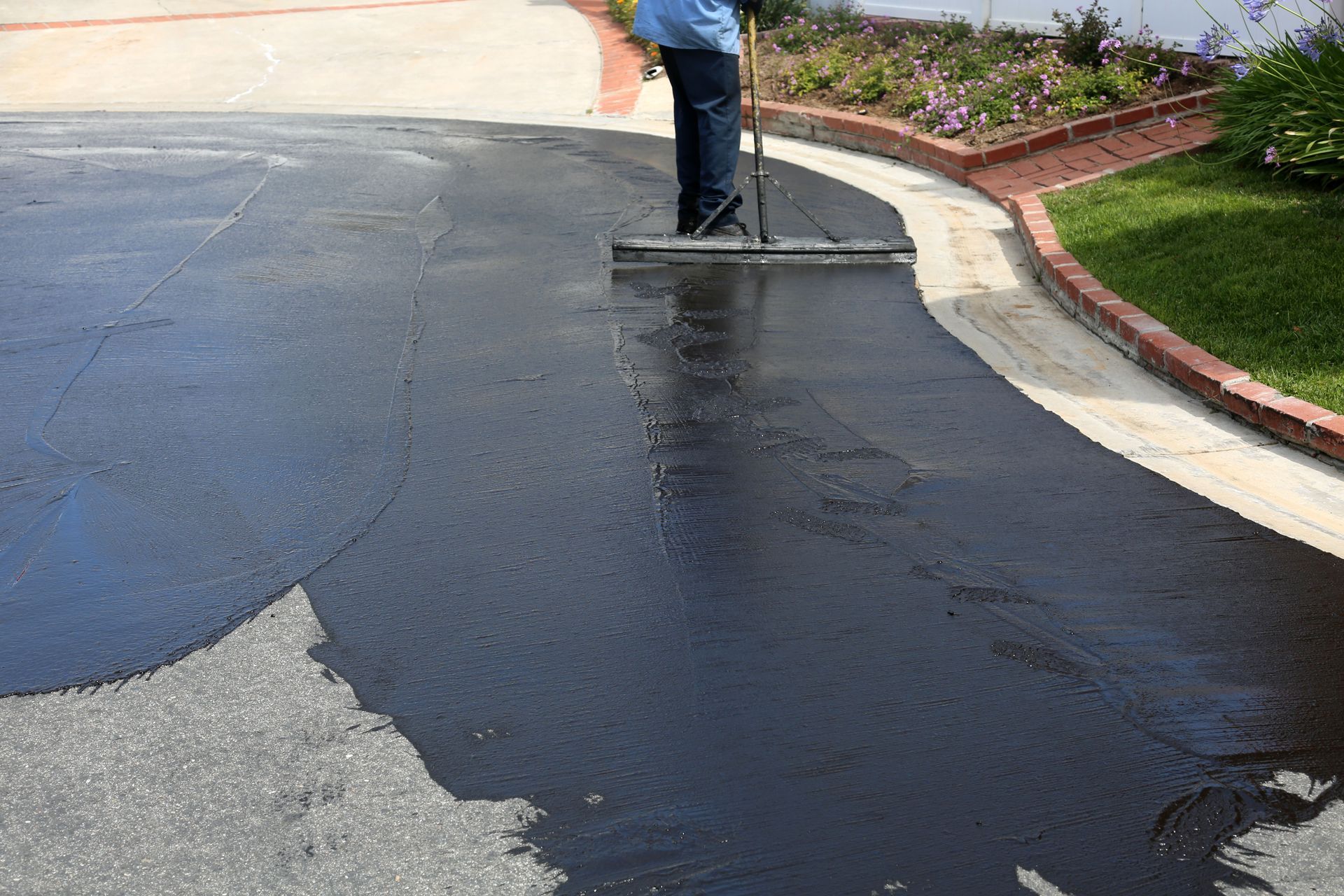
The actual sealant application is the most visible phase of the coating process, and it requires specific temperature and humidity conditions to achieve the proper bonding, spreading, and curing that determine how well the finished coating performs throughout the years following application. A local driveway sealer with over 30 years of experience serving the Fox Valley area knows that Wisconsin's variable spring and fall weather creates specific windows during which sealcoating produces optimal results and avoids the application failures that result from coating in temperatures that are too low, humidity that is too high, or conditions where rain is likely before the product has had adequate time to cure. The sealant is applied in overlapping passes that ensure complete and even coverage across the entire driveway surface, including the edges and transitions where coverage inconsistencies most commonly appear on surfaces coated by less experienced applicators who have not developed the technique and the attention to detail that consistent professional results require.
Understanding the Drying and Curing Period
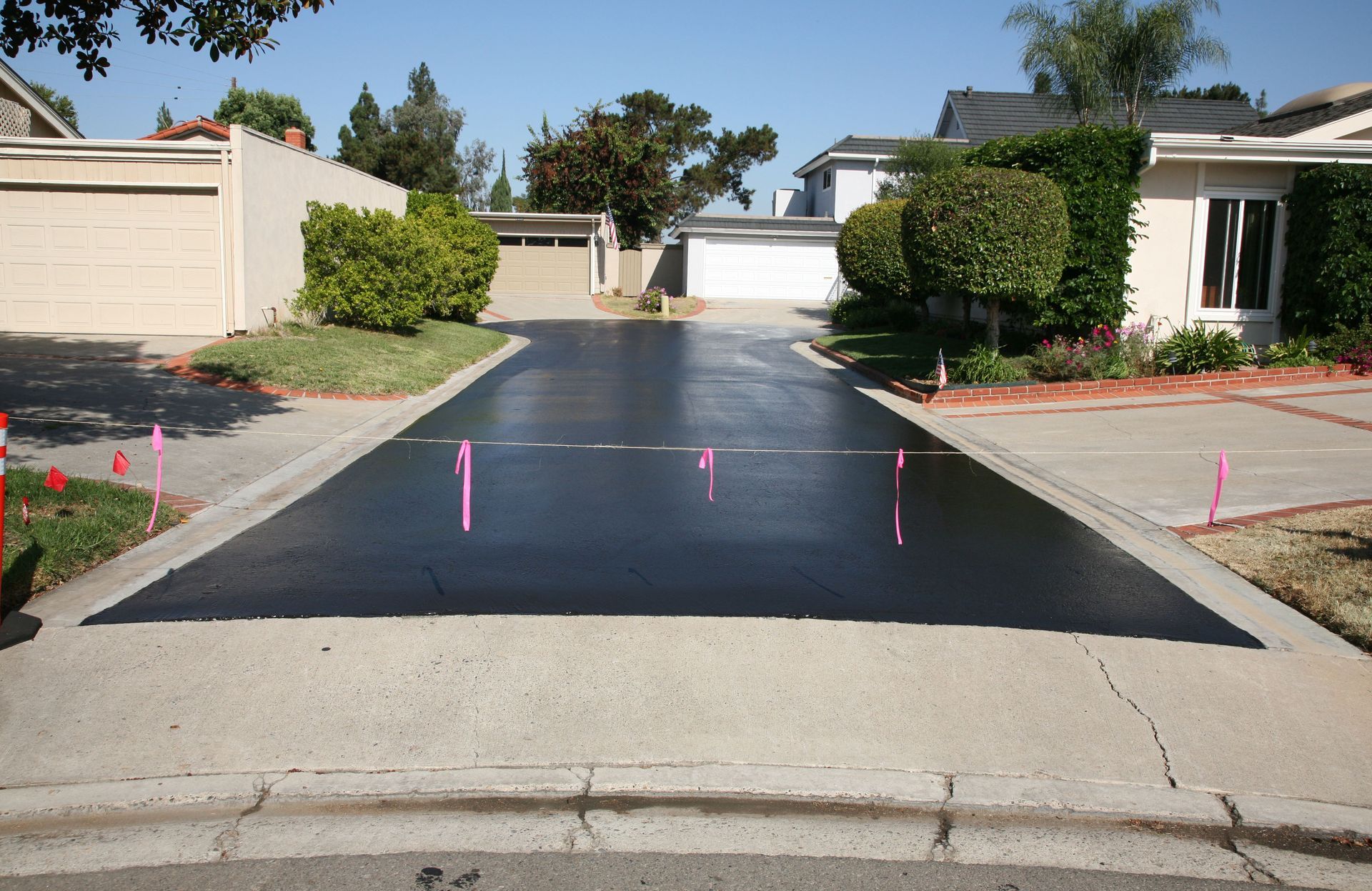
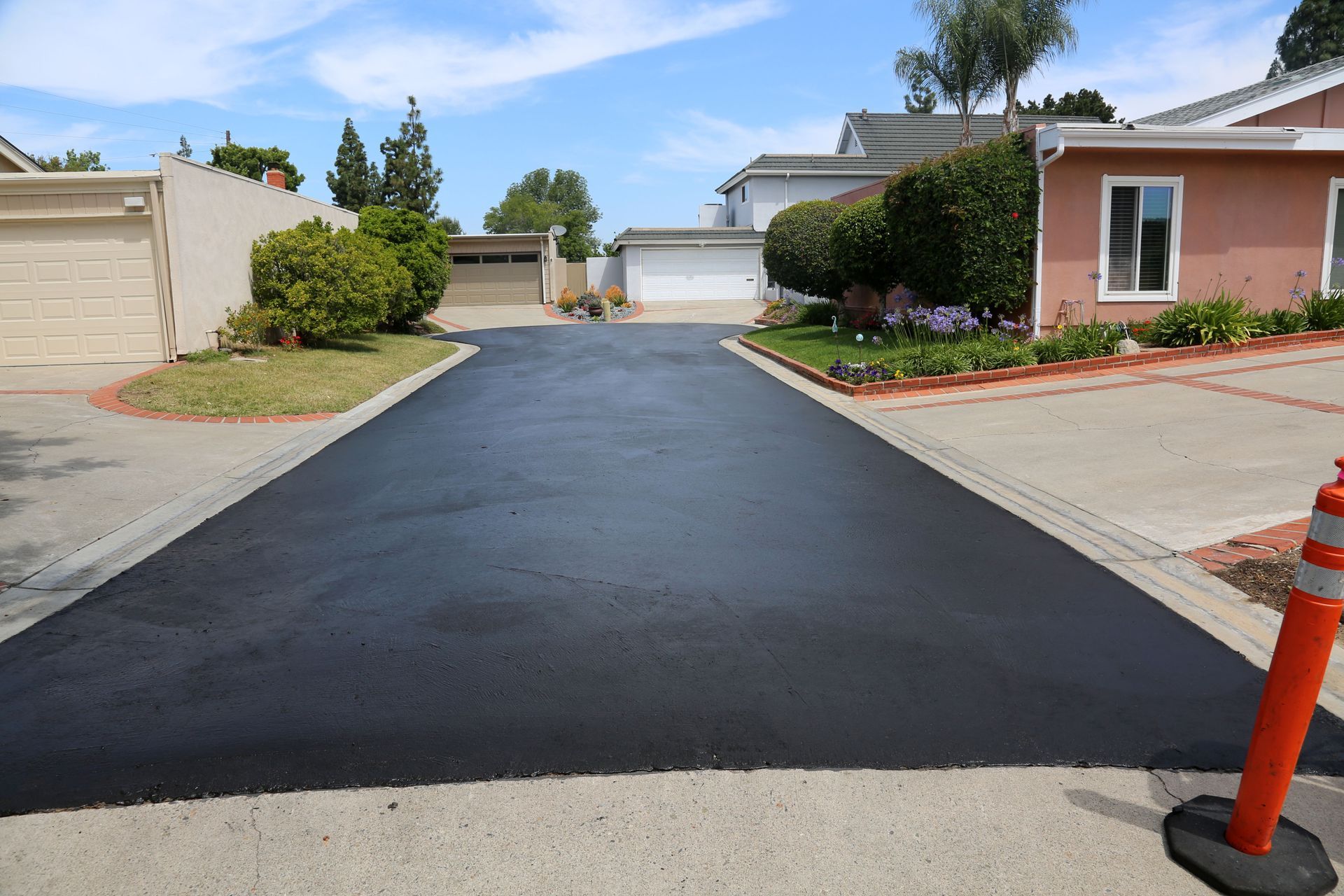
According to Pepper's Home and Garden, under ideal conditions, asphalt sealer requires 24 to 48 hours to dry before it can withstand vehicle traffic, which means planning vehicle access around the coating application is a practical consideration that every homeowner should account for when scheduling the service. A local driveway sealer communicates the drying and curing timeline clearly before the project begins so that homeowners can make the necessary arrangements to keep vehicles off the surface for the appropriate period rather than discovering after the fact that driving on the fresh coating too soon has left tire marks or impressions that compromise the appearance of the finished surface. Wisconsin summers typically provide the warm and dry conditions that support the upper end of curing performance, while cooler or more humid fall days may extend the time required before the surface is ready to return to full vehicle use without any risk of marking or surface damage.
Understanding the full coating process from the initial estimate and surface cleaning through crack filling, sealant application, curing, and future maintenance gives every homeowner and commercial property owner the knowledge to participate more meaningfully in the service relationship and to recognize the quality of the work being done at each stage of a professional sealcoating project. Badgerland Sealing has proudly served residential and commercial customers throughout the Fox Valley, WI area since 1993, offering driveway sealcoating, parking lot sealcoating, asphalt sealcoating, asphalt patching, crack filling, asphalt crack filling, pothole repair, infrared asphalt repair, catch basin repair, and asphalt line striping, all backed by over 30 years of experience, satisfaction guaranteed, fully licensed and insured operations, free estimates within three business days, services typically available within two weeks of approval, price matching considered with valid written offers, and senior, veteran, and first responder discounts from the local driveway sealer Fox Valley property owners have depended on for more than three decades. For more information, contact us today!