June 9, 2026
Maintaining an asphalt surface is a continuous commitment that goes beyond simple aesthetics. Whether managing a sprawling commercial parking lot or a private residential driveway, the environmental elements are constantly working against the structural integrity of the pavement. Professional asphalt care is the primary defense against the inevitable degradation caused by oxidation, moisture infiltration, and chemical spills. When property owners decide to invest in the longevity of their surfaces, understanding the nuances of the process is essential for achieving optimal results. Professional intervention ensures that the application is uniform, the materials are high-grade, and the timing is precise, preventing the need for costly full-depth replacements in the future.
The decision to seek out professional assistance often stems from noticing the telltale signs of aging: a transition from deep black to a dull grey hue, the appearance of hairline fractures, and a general loss of flexibility in the asphalt binder. By engaging experts, property owners leverage specialized equipment and industrial-strength emulsions that are not typically available to the general public. This article explores the comprehensive journey of a standard maintenance project, detailing what occurs from the initial assessment through to the final curing stage, ensuring expectations align with the high-quality outcomes provided by industry leaders.
Inspecting Surface Integrity
The process begins with a meticulous walkthrough of the site. Technicians examine the entire area to identify specific zones of distress. They look for structural failures such as alligator cracking, which indicates a base issue, or standard longitudinal cracks that result from thermal expansion and contraction. During this phase, the experts determine if the surface is a candidate for protection or if it requires more intensive foundational repairs before the application can proceed.
Identifying Oil Contamination
Asphalt is a petroleum-based product, making it highly susceptible to damage from automotive fluids. Gas and oil leaks act as solvents, softening the binder and causing the aggregate to break loose. Professionals carefully map out these saturated areas, as standard protective coatings will not adhere to oily surfaces. Identifying these spots early allows for the preparation of specialized primers that bridge the gap between the contaminated asphalt and the new protective layer.
Measuring Moisture Levels
Environmental conditions play a pivotal role in the success of the application. Technicians evaluate the moisture content of the pavement and the surrounding humidity. Applying materials to a damp surface or right before a rain event can lead to washouts or poor bonding. This evaluation ensures the work is scheduled during an optimal window where the substrate is dry and the weather forecast remains clear for the duration of the curing process.
Clearing Debris and Vegetation
A clean surface is the most critical factor for successful adhesion. Professionals utilize high-powered blowers, industrial sweepers, and specialized wire brooms to remove every trace of dust, dirt, and loose gravel. If grass or weeds have begun to sprout through cracks, these are physically removed and treated with environmentally safe inhibitors to prevent regrowth beneath the new coating. A pristine surface ensures the sealcoating services bond directly to the asphalt rather than a layer of silt.
Cleaning Oil and Grease Spots
Once the bulk debris is gone, technicians focus on chemical cleaning. Specialized degreasers are applied to the identified oil spots to lift the contaminants. After cleaning, a dedicated oil spot primer is brushed onto the area. This primer creates a barrier that prevents the oils from "bleeding through" the new finish, which would otherwise cause the coating to peel or flake away prematurely in those specific locations.
Performing Crack Structural Sealing
Large cracks must be addressed before the general coating is applied. This involves injecting a hot-poured rubberized sealant into the fractures. This material remains flexible throughout the seasons, expanding and contracting with the pavement. By sealing these openings, professionals prevent water from reaching the sub-base, which is the leading cause of potholes and frost heaves. This preparation step is a fundamental component of comprehensive sealcoating services, providing a level of protection that surface coatings alone cannot achieve.
Mixing the High-Grade Emulsion
The materials used by professionals are far superior to those found in local hardware stores. These emulsions are often polymer-modified to enhance durability and color retention. Experts mix the coating with specific ratios of water, silica sand for skid resistance, and latex additives for faster drying. This customized blend is designed to withstand the specific traffic patterns and climate conditions of the region, ensuring a robust finish.
Executing the Hand-Brushing Technique
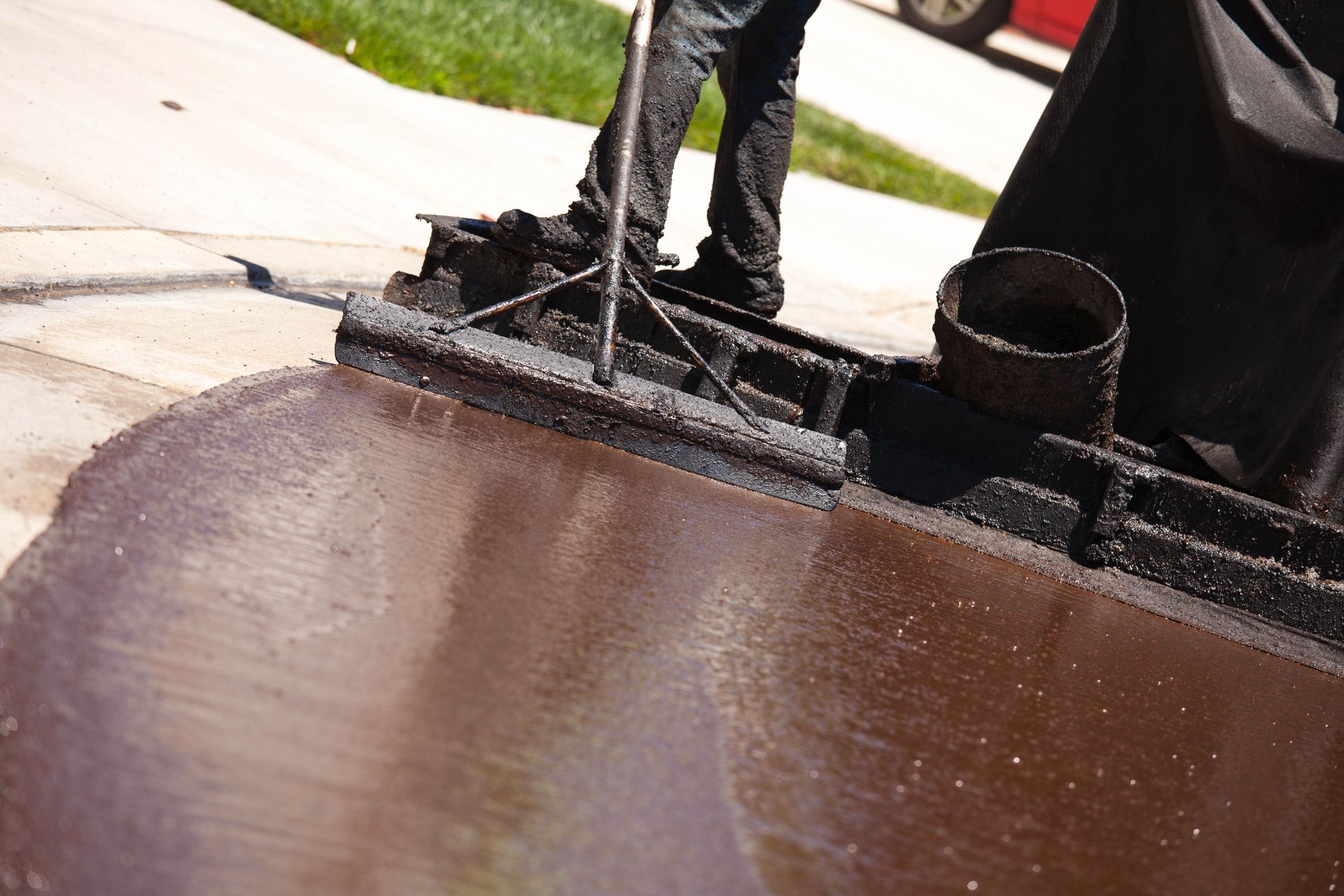
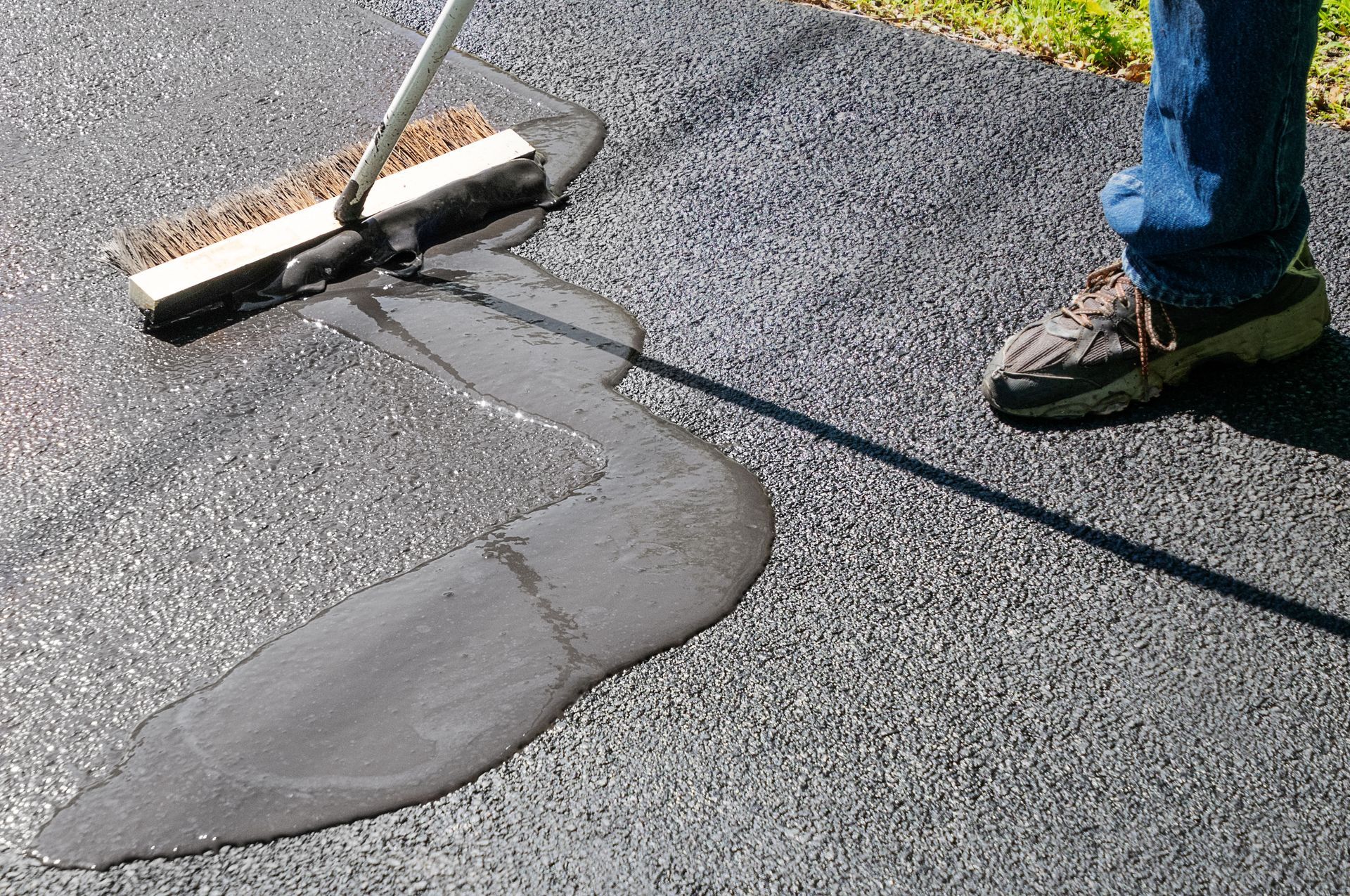
For edges near sidewalks, curbs, and landscaping, technicians often use a hand-brushing or squeegee method. This manual approach provides maximum control, preventing the coating from splashing onto unwanted surfaces. It also allows the professional to work the material deep into the pores of the asphalt, creating a mechanical bond that is exceptionally strong. This meticulous attention to detail is a hallmark of high-quality sealcoating services.
Spraying the Main Surface Areas
For the large, open expanses of a driveway or parking lot, a spray application is typically employed. Using pressurized systems, technicians apply a consistent, even coat across the entire surface. This method ensures a seamless appearance without the lap marks sometimes seen with manual application. Professional sprayers can adjust the pressure and tip size to account for the texture of the asphalt, ensuring the right amount of material is deposited for long-lasting protection.
Analyzing the Industry Growth
The demand for pavement preservation is reflected in the steady growth of the global sector. According to Mordor Intelligence, the Seal Coat Market size is estimated at USD 1.53 billion in 2025, and is expected to reach USD 1.86 billion by 2030, at a CAGR of 4.01% during the forecast period (2025-2030). This expansion is driven by an increasing awareness among property managers regarding the cost-effectiveness of preventative maintenance compared to total reconstruction.
Adopting Sustainable Material Practices
Modern professionals are increasingly moving toward asphalt-based emulsions rather than traditional coal tar. These newer materials are more environmentally friendly and safer for both the applicators and the residents who use the surfaces. The evolution of these materials allows sealcoating services to provide a rich, dark finish without the harsh odors or skin irritants associated with older technologies, aligning with modern ecological standards.
Planning for Future Reapplication
Sealcoating is not a one-time event but a recurring part of a healthy pavement management plan. Depending on traffic volume and weather exposure, a new coat should generally be applied every few years. By establishing a relationship with a professional provider, property owners can set a schedule that ensures the asphalt never reaches a state of critical failure, maximizing the return on their initial construction investment.
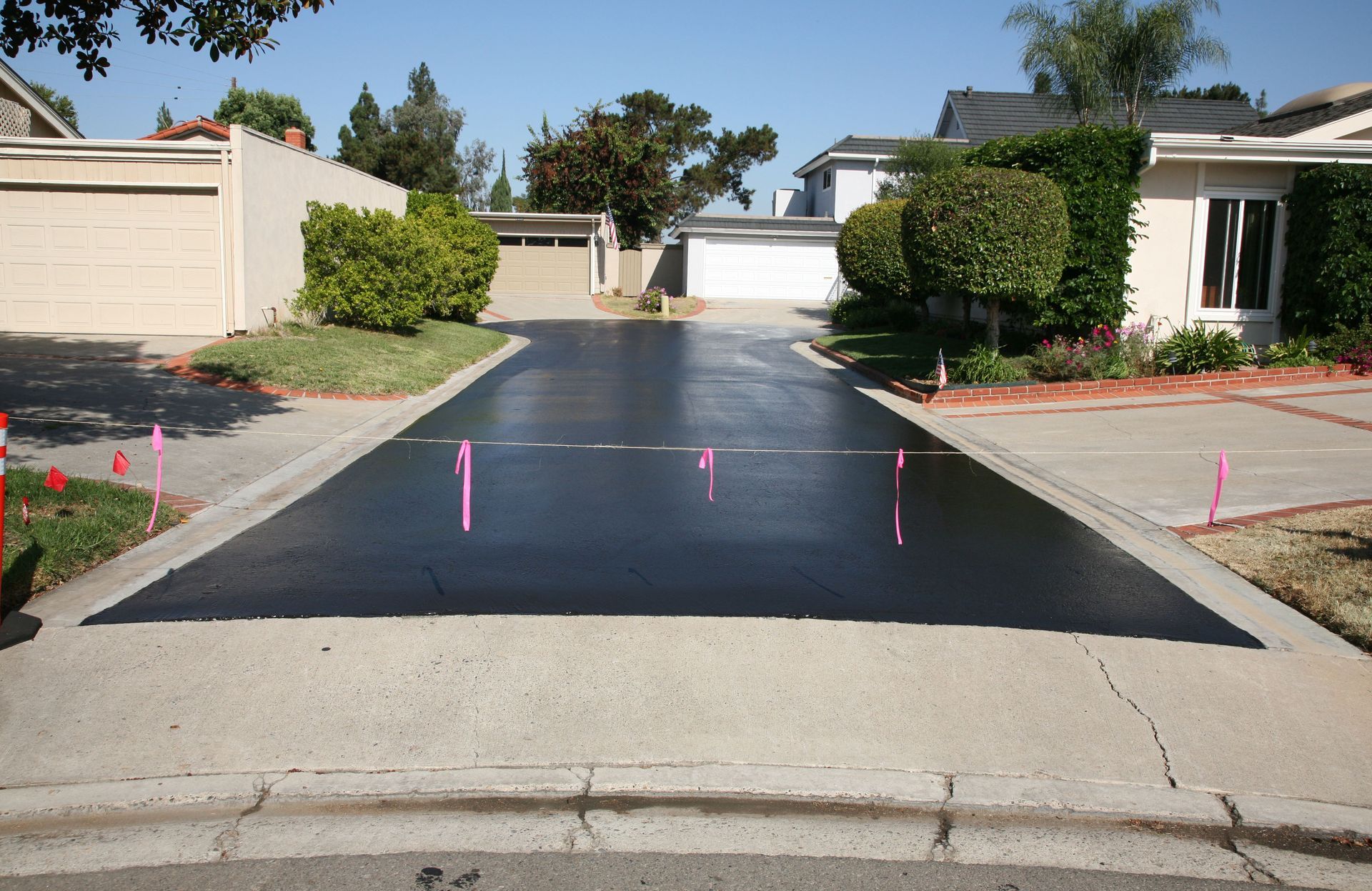
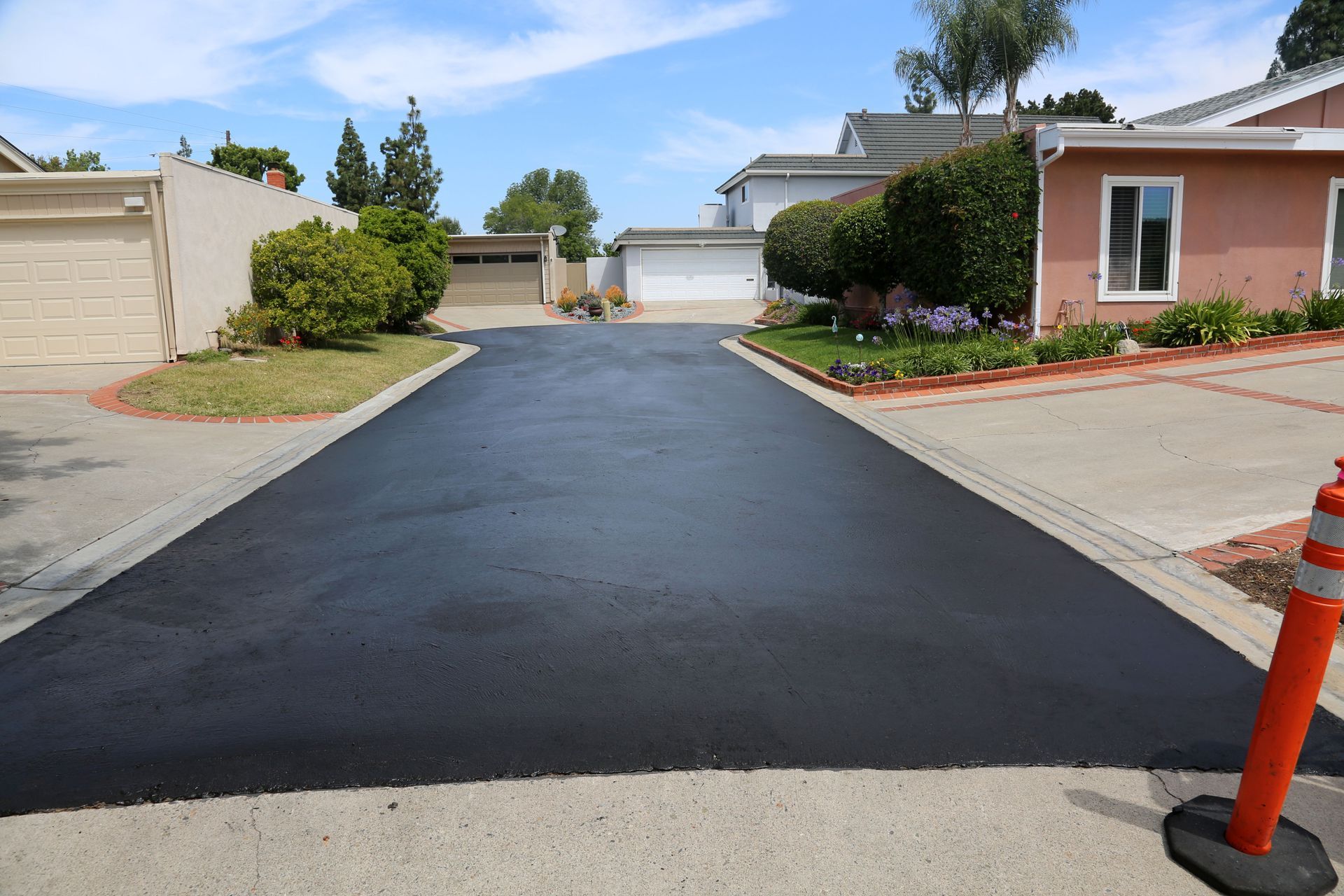
In conclusion, professional pavement maintenance is a structured, detailed process that requires expertise, specialized equipment, and high-quality materials. From the initial inspection of the asphalt's health to the final curing phase, every step is designed to extend the life of the surface and enhance its visual appeal. By understanding what to expect during each stage, property owners can better appreciate the value of professional intervention. A well-maintained surface not only looks professional but also provides a safer, smoother experience for everyone who uses it. Investing in regular care today is the most effective way to avoid the massive expenses of asphalt failure tomorrow.
At Badgerland Sealing, we are dedicated to preserving the value and safety of your property through meticulous attention to detail and industry-leading techniques.